In contemporary machining settings, productivity is frequently associated with advanced tooling systems, high-performance CNC machines, or automation. Nevertheless, some of the most significant enhancements come from simple, minor, and well-informed modifications. In boring operations, where stability, precision, and consistency are of utmost importance, simple micro-adjustments in setup and cutting parameters can significantly improve the output. By emphasizing essential fundamentals like clamping stability, cutting speed, and depth of cut, and subsequently fine-tuning secondary elements like feed rate, inserts, and coolant application, machinists can realize consistent and measurable productivity improvements.
Why boring operations demand precision
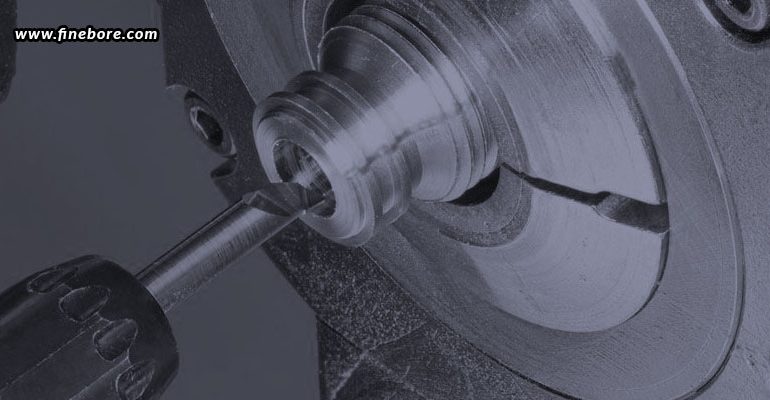
Boring bars function under inherently difficult conditions due to their extended reach within the workpiece. Unlike external turning tools, they operate as cantilevered systems, which significantly reduces rigidity. As the overhang increases, the likelihood of deflection and vibration escalates, rendering the operation highly sensitive to even slight inefficiencies. This instability often leads to chatter, subpar surface finish, and dimensional inaccuracies if not adequately addressed. As a result, boring operations are less tolerant than many other machining processes. Even minor discrepancies in setup, alignment, or cutting parameters can adversely affect performance. However, the same sensitivity also presents an opportunity – precise, targeted adjustments can stabilize the process, improve control, and ultimately unlock higher productivity and consistent machining outcomes.
Step 1: Fixing the fundamentals
Focus on fundamental parameters that ensure stability, control, and consistent machining results.
- Clamping stability
The setup and the clamping quality has a major impact on the performance of the boring bar. Without a rigid and robust setup, even the perfect boring bar will fail to deliver consistent results. It is thus best to have a rigid setup and minimal overhang. The shorter the overhang, the greater the rigidity and resistance to vibration. Keeping the length-to-diameter ratio as low as possible significantly reduces chatter. Ensuring proper alignment between the tool holder and spindle axis prevents uneven cutting forces that can otherwise destabilize the process. The use of anti-vibration or damped boring bars can also maintain stability. For applications requiring enhanced rigidity and vibration control, partnering with reliable manufacturers like FineTech Toolings, recognized as the finest precision boring bars manufacturers in Bangalore, ensures access to high-performance tooling designed for stability, accuracy, and consistent machining results. Secure clamping is equally important. Inconsistent tightening can lead to micro-movements during machining, affecting both accuracy and surface finish. Using controlled and consistent clamping methods ensures reliability.
- Cutting speed
The cutting speed must be carefully controlled. Higher speeds than required can increase heat and vibration, resulting in chatter, poor surface finish, and reduced tool life. Similarly, lower speeds will not allow the tool to cut efficiently, which will result in rubbing, increased friction, heat buildup at the cutting edge, and the formation of built-up edge. This results in poor surface finish, inaccuracy, and tool wear. Hence, the goal is to maintain a balanced, optimal speed range where cutting is stable, efficient, and consistent. This can be achieved through small incremental adjustments rather than drastic changes. Even a slight change in speed can eliminate vibration and improve overall performance. Matching the speed with the material and insert grade is also essential. Each insert is designed to perform within a specific speed range, and aligning with these recommendations ensures optimal results.
- Depth of cut
The depth of cut directly affects cutting forces, which in turn impacts the stability of the operation. Deeper cuts can introduce excessive force, leading to deflection and vibration. On the contrary, if the depth of cut is below the minimum effective cutting threshold, the tool may begin to rub against the material instead of cutting it well. This results in increased friction, heat buildup, and poor surface finish. The ideal approach is to maintain a moderate, effective depth of cut that ensures proper material removal, without compromising rigidity. This balance varies depending on the material, tool geometry, and machine condition, making small adjustments essential. A stable operation with consistent cuts can result in better productivity.
Step 2: Optimizing the process
Once the fundamentals are in place, further productivity gains can be achieved by refining some other parameters.
- Feed rate
Feed rate, the distance a cutting tool advances into material per revolution or minute, determines how the tool engages with the material. This directly impacts chip formation – if the feed rate is too low, the tool will rub and generate heat; if the feed rate is high, the tool will be overloaded and result in vibration. Optimizing feed rate ensures proper chip thickness and efficient material removal, which can be adjusted in coordination with cutting speed and depth of cut to maintain balanced cutting forces.
- Insert selection and condition
The right insert geometry and coating can significantly enhance cutting efficiency, chip control, and surface finish. The wat the insert is seated is also important. Even minor misalignment or debris in the insert seat can result in uneven cutting and vibration. Regular inspection and effective cleaning are thus of prime important to maintain consistency. In case of insert wear, they must be immediately replaced so as to prevent unexpected issues that can degrade performance.
- Managing vibration and chatter
Chatter not only affects the surface finish quality, but also accelerates tool wear and increases cycle time. The most effective way to control chatter is through small, targeted adjustments. Slight changes in cutting speed, feed rate, or depth of cut can shift the process away from unstable conditions. By reducing overhang or securing proper clamping, rigidity can be further improved and vibration can be minimized. Identifying and addressing the root cause of chatter ensures long-term stability.
Step 3: Fine-tuning for maximum efficiency
After stabilizing the process and optimizing key parameters, additional refinements can further enhance performance.
- Coolant application
Proper coolant application helps manage heat and improve chip evacuation. Directing it precisely at the cutting zone ensures effective cooling and lubrication. However, requirements vary by material – some need more cooling, others need better lubrication. Adjusting coolant type and flow accordingly enhances tool life, while maintaining consistent surface finish and machining performance.
- Machine condition
The machine condition plays a crucial role in affecting the outcomes. Spindle runout, backlash, or structural looseness can reduce accuracy and may also introduce vibration into the process. The machine must operate within acceptable tolerances. This makes regular inspection and maintenance important, so as to support consistent and reliable performance.
- Operator awareness
Experienced machinist can detect even the most subtle changes in sound, vibration, or chip formation. This means they can detect potential issues before they can even begin to degrade the process. Making small adjustments leads to better control over the process, which only an experienced operator can do. over time, such incremental improvements can accumulate into significant gains.
In boring bar operations, productivity is enhanced not by a single significant change, but rather through a series of small, well-executed modifications. The most effective approach is to focus on clamping stability, cutting speed, and depth of cut, and then addressing finer optimizations such as the feed rate, inserts, and coolant application. By prioritizing the most critical aspects first and refining the process incrementally, manufacturers can attain greater efficiency, enhanced surface finish quality, and extended tool life. In a competitive machining landscape, mastering these micro-adjustments is not merely beneficial; it is but crucial for maintaining productivity and precision.