Best-Cutting-Parameters-For-Micro-Boring-Operations

Best Cutting Parameters For Micro Boring Operations

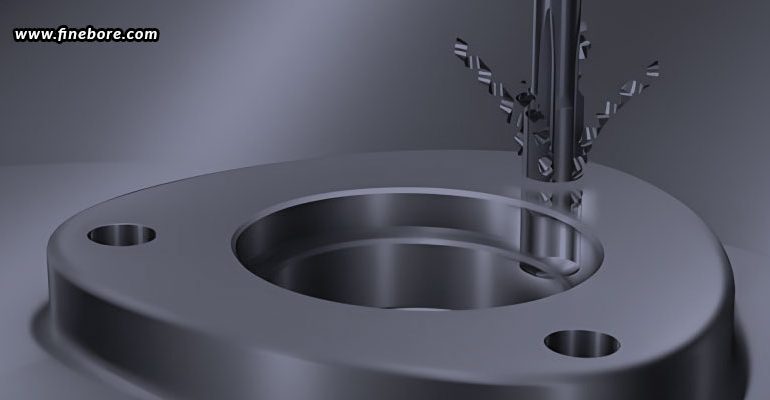
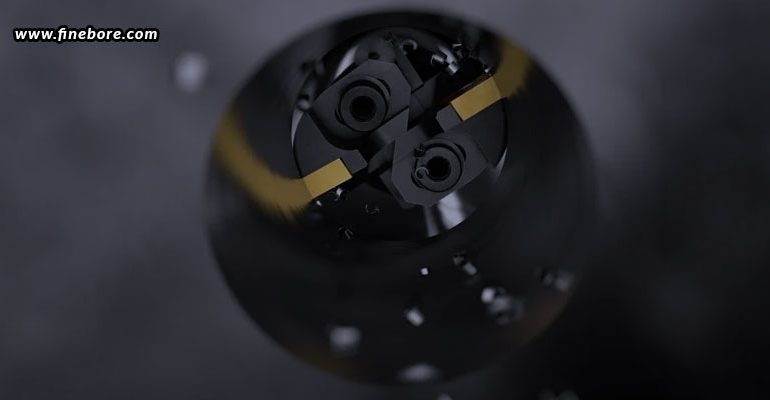
Precision micro boring requires substantially greater precision management compared to standard internal machining operations. When bore dimensions are minimal and specifications are stringent, cutting variables significantly affect tool bending, oscillation, thermal output, particle formation, surface quality, and ultimate bore dimension. A parameter selection that functions effectively for

Read More
Why-Internal-Machining-Is-More-Complex-Than-External-Machining

Why Internal Machining Is More Complex Than External Machining

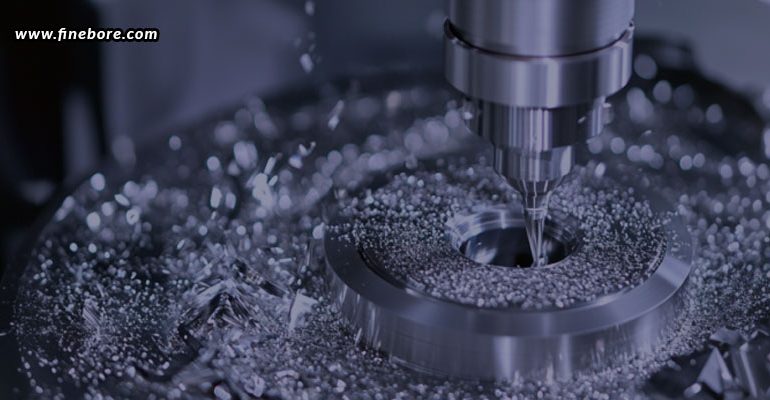
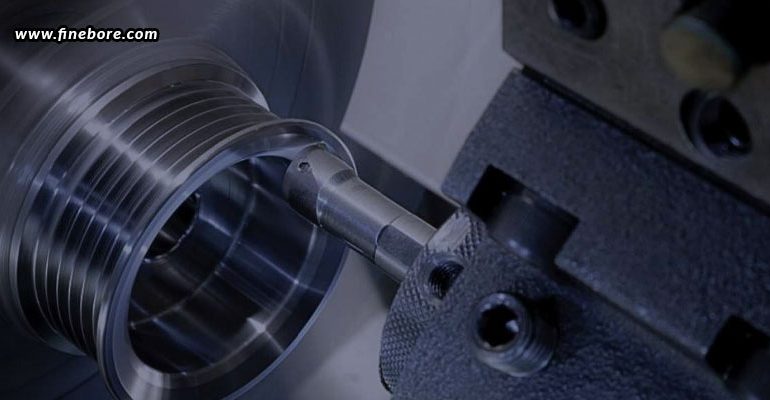
Machining processes are designed for removing material accurately and efficiently to create a component that meets specific dimensional and functional requirements. While external and internal machining may appear similar because both involve controlled cutting between a tool and a rotating workpiece, the practical challenges involved are considerably

Read More
How-Heat-Generation-Affects-Accuracy-In-Boring-Operations

How Heat Generation Affects Accuracy In Boring Operations

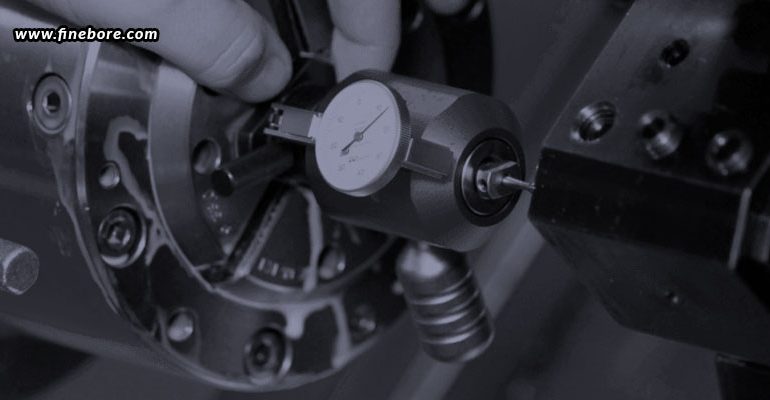
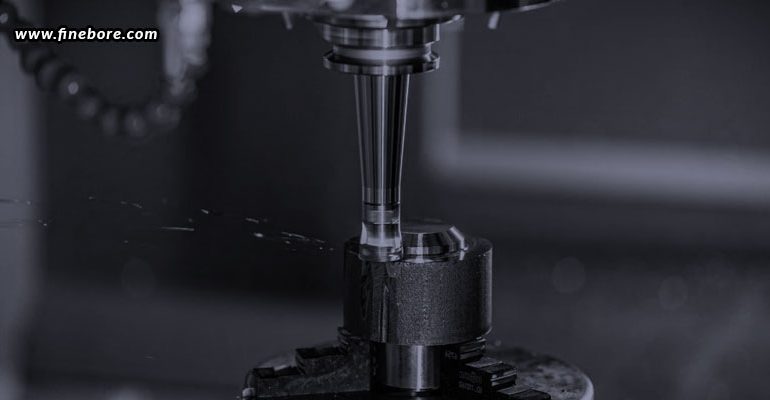
Precision boring is often associated with tight tolerances, controlled cutting parameters, and carefully selected tooling. However, one factor that can quietly undermine all three is heat generation. During boring, the cutting tool continuously interacts with the workpiece, producing heat through plastic deformation, friction, and contact between the

Read More
Selecting-Boring-Bars-For-Interrupted-Cuts

Selecting Boring Bars For Interrupted Cuts

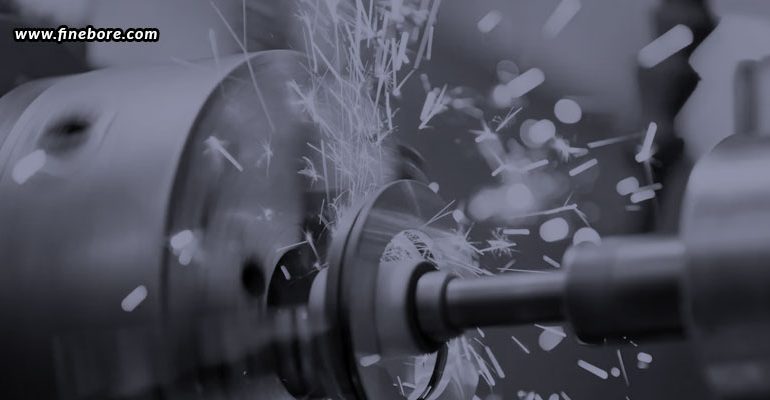
Interrupted cutting is a demanding internal machining condition in which the cutting edge repeatedly engages and disengages from the workpiece, causing sudden changes in cutting forces. Keyways, slots, cross-holes, grooves, uneven surfaces, and irregular internal features can create such conditions. If the boring bar is unsuitable, repeated

Read More
Understanding-The-Role-Of-Balance-And-Symmetry-In-Rotating-Boring-Tools

Understanding The Role Of Balance And Symmetry In Rotating Boring Tools

Precision boring is a demanding machining operation where even small deviations can affect bore accuracy, surface finish, tool life, and component performance. As manufacturers adopt tighter tolerances and higher production speeds, rotating tooling design becomes increasingly important. Among the factors influencing boring performance, balance and symmetry play

Read More
Selecting-The-Right-Inserts-For-Micro-Boring

Selecting The Right Inserts For Micro Boring

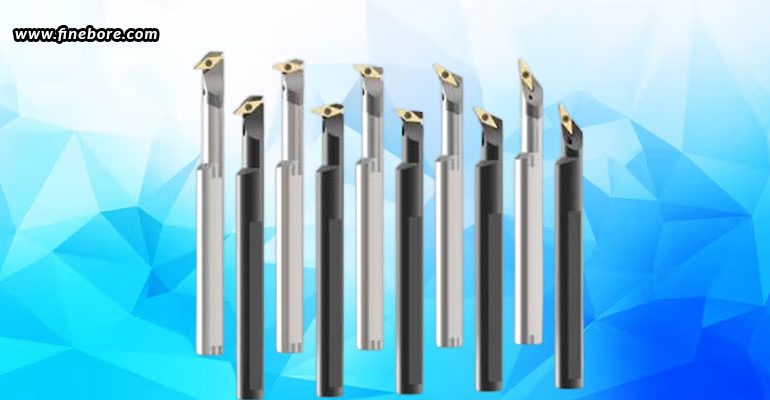
Micro boring requires precise control over cutting forces, tool geometry, heat generation, chip formation, and dimensional accuracy, particularly when machining small-diameter bores with tight tolerances. Insert selection plays an important role in maintaining machining stability and achieving consistent bore quality. The right insert should match the workpiece

Read More
Selecting-A-Boring-Bar-For-Tight-Tolerances

Selecting A Boring Bar For Tight Tolerances

Achieving tight tolerances is a critical goal in precision machining. Meeting the standards of minimal dimensional variation, exceptional roundness, and excellent surface finish relies not only on the capabilities of the machine and cutting parameters, but also on the selection of an appropriate boring bar. Precision boring

Read More
How-Micro-Boring-Bars-Help-Achieve-Tight-Tolerances

How Micro Boring Bars Help Achieve Tight Tolerances

Modern manufacturing necessitates outstanding precision, especially for components featuring small internal bores, where even minute deviations at the micron level can impact performance and reliability. Sectors such as aerospace, automotive, medical devices, and precision engineering depend on highly accurate internal machining to adhere to rigorous quality standards.

Read More
Choosing-The-Correct-Boring-Bar-For-Blind-Hole-Machining

Choosing The Correct Boring Bar For Blind Hole Machining

Blind hole machining, with its fixed depth and closed-end design, is one of the most challenging internal machining operations, requiring high precision, stability, and controlled cutting conditions. Since the process involves difficulties such as chip evacuation, tool clearance, depth accuracy, and machining consistency, selecting the right tool

Read More