As industries progress towards miniaturization, the need for miniature components in fields like aerospace, medical devices, electronics, and precision engineering has surged dramatically. With tighter tolerances, complex geometries, and essential surface finish standards, conventional boring tools frequently do not meet the requirements. This is where micro-boring tools become essential, allowing manufacturers to attain precision and consistency in components with diameters often under 10 mm. This blog delves into the design, functionality, and application of micro-boring tools, providing insights into how they address the specific challenges of machining miniature components.
Understanding micro-boring
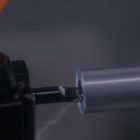
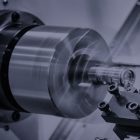
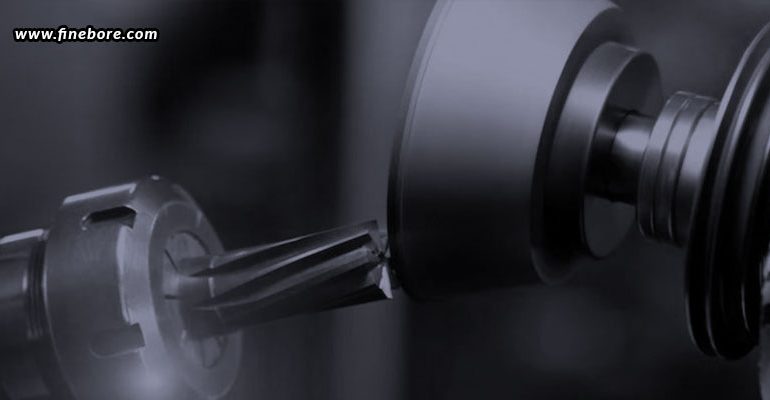
Micro-boring is a precision machining technique utilized to enlarge, finish, or shape very small-diameter holes with remarkable accuracy. Unlike traditional boring, it requires specialized tools and methods capable of managing extremely tight tolerances while reducing tool deflection and vibration. High rotational speeds are typically necessary to achieve the best surface finishes without jeopardizing tool longevity. Consistent results in micro-boring depend not only on the quality of the cutting tools but also on precise tool holders, accurate alignment, and optimized machining parameters such as cutting speed, feed rate, and depth of cut. Effective chip removal and appropriate lubrication further improve performance and prevent damage. In summary, micro-boring guarantees superior dimensional accuracy, smooth surfaces, and dependable results, making it vital in industries where precision is paramount.
Challenges in micro-boring
Micro-boring introduces distinct precision challenges that require careful management to ensure accuracy and quality.
- Tool deflection: Tools with small diameters are susceptible to bending under cutting forces, which can lead to tapering and inconsistent diameters.
- Vibration and chatter: Slender micro-tools exhibit low rigidity, resulting in vibrations that can negatively impact surface finish and the lifespan of the tool.
- Heat management: The limited cutting surface and restricted access to coolant complicate heat dissipation, which accelerates wear and diminishes precision.
- Chip evacuation: Constrained internal space may lead to clogging, scratches, and potential tool failure if chips are not effectively removed.
- Alignment sensitivity: Even minor misalignments between the spindle and workpiece can result in exaggerated errors in miniature components.
- Tool breakage: High forces, deflection, or vibration can increase the risk of tool fracture during the micro-boring process.
- Surface imperfections: Factors such as vibration, chatter, or heat accumulation can cause uneven surfaces or subpar finishing quality.
- Inconsistent bore diameter: Issues like misalignment, tool wear, or runout can lead to holes with inaccurate dimensions.
- Chip accumulation: Ineffective chip removal can harm the workpiece, compromise accuracy, and shorten the lifespan of the tool.
Design characteristics of micro-boring tools
Micro-boring tools are specifically designed to tackle the difficulties associated with miniature machining. The primary design characteristics include:
- Material composition
The material used for the tool significantly impacts machining efficiency. Solid carbide offers rigidity and wear resistance for high-speed operations, cermets provide excellent finishes on hard materials, and coated tools help minimize friction, heat, and prolong tool lifespan.
- Tool design
The design of the tool plays a crucial role in precision and cutting efficiency. Smaller cutting edges reduce forces and prevent deflection, optimized rake angles facilitate smooth chip flow, and precision-ground shanks ensure spindle alignment for consistent and accurate outcomes.
- Tool holders
Effective tool holders improve stability and machining performance. Hydraulic chucks reduce runout, shrink-fit holders provide maximum rigidity for micro-tools, and dampened holders minimize vibration, leading to smoother cuts and extended tool life.
- Adjustable micro-boring heads
Adjustable micro-boring heads enable micrometre-level adjustments in diameter, allowing for exceptional accuracy. They are essential for achieving tight tolerances in precision components, ensuring reliability and optimal performance in high-demand applications.
Optimizing cutting parameters for micro-boring
Even with advanced tools, utilizing incorrect cutting parameters can diminish accuracy, lead to tool wear, and impact performance.
- Cutting speed
Cutting speed significantly influences machining results. Elevated speeds generate heat but facilitate smooth chip formation and effective material removal. Moderate speeds are ideal for heat-sensitive materials, extending tool life and guaranteeing consistent, precise outcomes.
- Feed rate
Feed rate needs to be meticulously regulated to achieve a balance between efficiency and surface finish. An excessive feed can result in deflection, chatter, and a subpar finish, whereas a feed that is too low can cause rubbing, heat accumulation, and uneven surfaces.
- Depth of cut
The appropriate depth of cut is essential for both tool longevity and accuracy. Small, uniform passes help prevent overload and ensure stability. Step boring enables deeper bores without sacrificing precision or inducing tool stress.
- Parameter optimization
The optimization of cutting speed, feed, and depth necessitates thorough testing and compliance with manufacturer recommendations. Proper modifications guarantee efficient machining, high-quality finishes, extended tool life, and dependable, consistent micro-boring outcomes.
Coolant and lubrication considerations
Coolant delivery plays a crucial role in micro-boring by reducing heat, minimizing friction, evacuating chips, and safeguarding tools.
- High-pressure through-tool coolant
High-pressure through-tool coolant is vital in micro-boring. It effectively removes chips from small-diameter bores, decreases clogging and tool wear, dissipates heat at the cutting edge, and prolongs tool life.
- Mist and Minimum Quantity Lubrication (MQL)
Mist or minimum quantity lubrication is perfect for ultra-small bores where traditional flood coolant is not feasible. It provides accurate lubrication, lowers friction and heat, and allows for smoother, more controlled cutting in high-precision tasks.
- Coolant chemistry
The chemistry of coolant has a significant effect on machining performance. Specialized additives improve lubrication and heat transfer, which is essential when dealing with abrasive or difficult-to-machine materials, ensuring superior surface finish, consistent outcomes, and extended tool longevity.
Micro-boring in specialized industries
Micro-boring in specialized sectors guarantees the creation of precise, high-quality holes that are essential for performance, reliability, and safety.
- Aerospace applications
Within the aerospace sector, turbine components and fuel injectors frequently necessitate micro-bores with micron-level tolerances. Precision boring is crucial to ensure the efficiency of parts, optimal performance, and safety in high-stress conditions where even slight deviations can lead to significant repercussions.
- Medical devices
Medical devices, including orthopaedic and surgical instruments, require extreme precision and smooth finishes to ensure patient safety. Micro-boring facilitates minimal invasiveness and precise functionality, enabling the production of instruments that comply with rigorous medical standards.
- Electronics
In the electronics field, connectors and sensors need tiny, highly accurate bores for proper assembly and dependable performance. Micro-boring guarantees repeatable, precise holes, which is vital for mass production and ensuring product consistency across large quantities.
- Automotive
Automotive components such as fuel injection systems, sensors, and hydraulic parts gain from micro-boring to improve performance and durability. In these industries, the synergy of appropriate micro-boring tools, holders, and optimized parameters is essential for achieving consistent, high-quality outcomes.
Choosing the right micro-boring tools
Choosing the right tool is contingent upon the specific application, the material of the workpiece, and the size of the bore. Key considerations include:
- Diameter and depth specifications
- Material hardness
- Tolerance and surface finish standards
- Machine spindle capabilities
Leading boring tools suppliers in Bangalore like FineTech Toolings focus on micro-boring tools tailored for miniature components, providing innovative designs that enhance rigidity and reduce vibration.
Micro-boring tools are essential in contemporary precision manufacturing, particularly for miniature components that require micron-level precision. Their design, when paired with suitable holders, optimized cutting parameters, and effective cooling, enables manufacturers to tackle issues such as tool deflection, vibration, and chip buildup. Committing to high-quality micro-boring tools and adhering to best practices guarantees an excellent surface finish, consistent dimensions, and prolonged tool lifespan. In sectors like aerospace, medical, electronics, and automotive, micro-boring has revolutionized the production of miniature, high-precision components with reliability and efficiency.