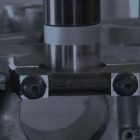

Boring operations are essential in precision machining, especially for achieving accurate internal diameters and smooth surface finishes. While machinists typically concentrate on selecting the appropriate boring bar, the significance of the tool holder should not be overlooked. Serving as the link between the machine and the cutting tool, the holder guarantees stability throughout the machining process. A lack of rigidity can lead to problems such as vibration, chatter, subpar surface finishes, and accelerated insert wear. Opting for the right tool holder stabilizes the boring bar, enhances cutting consistency, and promotes superior machining performance. Recognizing this connection enables manufacturers to attain higher productivity, enhanced surface quality, and extended tool life.
Why tool holder selection matters in boring operations
In boring operations, the cutting tool operates within the workpiece, often extending further than external tools. This configuration increases the tool’s vulnerability to vibration and deflection. The tool holder’s role is to offer a stable base that absorbs cutting forces and preserves alignment.
When a holder is poorly designed or improperly selected, even minor movements can lead to considerable machining inaccuracies. This can compromise the precision of the internal diameter and result in noticeable flaws on the bore surface. A well-suited tool holder guarantees that the boring bar stays stable under load, enabling the cutting insert to remove material in a consistent and smooth manner. The appropriate holder can facilitate:
- Enhanced machining stability
- Improved dimensional accuracy
- Superior surface finish
- Diminished vibration and chatter
- Extended tool life
These advantages directly contribute to increased productivity and reduced operational expenses.
Understanding the importance of rigidity in tool holding
Rigidity is a critical attribute of a tool holder. During machining, cutting forces exert pressure on the boring bar from various angles. If the holder lacks sufficient rigidity, the tool may bend or shift slightly under stress. Even slight movements can disrupt the cutting path, resulting in uneven surfaces or inaccurate bore diameters. A rigid tool holder mitigates this movement by securely supporting the boring bar and effectively distributing cutting forces. This stability enables the insert to maintain a steady cutting engagement with the workpiece. When rigidity is upheld, the machining process becomes more fluid and predictable. This not only enhances surface finish, but also lowers the risk of sudden tool failure. In high-precision industries like aerospace, automotive, and heavy equipment manufacturing, sustaining this level of rigidity is vital for achieving dependable machining outcomes.
Minimizing vibration and chatter with proper tool holders
One of the primary challenges in internal machining is vibration, commonly referred to as chatter. Chatter arises when cutting forces induce oscillation in the tool during machining. These oscillations can leave noticeable marks on the machined surface and may quickly damage cutting inserts. Tool holders are essential in managing this problem.
A well-engineered holder stabilizes the boring bar and prevents unwanted movement throughout the cutting process. It also helps dampen vibrations before they escalate into larger oscillations. Several design elements in tool holders contribute to vibration control:
- Robust clamping systems that securely hold the tool
- High-strength materials that resist bending
- Precise alignment with the machine spindle
- Firm contact between the holder and boring bar
When vibration is reduced, machining becomes more seamless and consistent. This results in enhanced surface quality and improved dimensional accuracy.
How tool holders influence tool life
Tool longevity is a crucial aspect of machining efficiency. Rapid wear of inserts leads to increased production costs and more frequent downtime. A reliable tool holding system is essential for prolonging tool life. When a boring bar is adequately supported, cutting forces are kept balanced and predictable. The insert endures a consistent cutting load rather than abrupt force variations. This alleviates stress on the cutting edge, enabling the insert to function effectively for an extended duration. Conversely, a poorly supported tool may undergo continuous micro-movements during machining. These minor vibrations hasten insert wear and can result in edge chipping or breakage. Therefore, selecting the appropriate holder safeguards the cutting tool and guarantees reliable performance throughout the machining process.
Essential features to consider in a boring bar tool holder
Choosing the right tool holder involves assessing several key design features. Not every holder is right for every application, so machinists must thoughtfully evaluate their machining needs. Key features to consider include:
- High structural rigidity: Sturdy holders reduce bending and deflection under cutting forces.
- Durable construction materials: Quality materials ensure stability even in challenging machining conditions.
- Robust clamping mechanism: The holder must securely grip the boring bar to prevent any movement during cutting.
- Precision manufacturing: Accurate machining guarantees proper alignment with the machine spindle.
- Compatibility with the boring bar size: The holder should correspond to the diameter and specifications of the boring bar in use.
Opting for a holder with these attributes helps to ensure that the boring bar functions in a stable and controlled environment.
Matching tool holders to machining applications
Not all boring processes are identical. The perfect tool holder is influenced by factors like bore diameter, machining depth, material type, and machine capabilities. For instance, deep-hole boring tasks typically necessitate holders that offer additional rigidity to support the extended tool overhang. Conversely, smaller diameter bores might need compact holders specifically designed for precise positioning. Aligning the holder with the particular machining operation aids in maintaining stability and guarantees consistent cutting performance. Manufacturers frequently experiment with various combinations of boring bars and holders to identify the most effective setup for their production requirements. Optimizing this pairing can significantly enhance machining outcomes.
Choosing reliable tooling solutions
Precision machining demands tools that are designed for stability and longevity. Collaborating with trustworthy tooling manufacturers ensures that both boring bars and tool holders adhere to essential quality standards. Well-known precision boring bars manufacturers in Bangalore like FineTech Toolings offer tooling solutions crafted to provide stability and accuracy in challenging machining conditions. High-quality tooling enables them to achieve superior machining performance, while minimizing vibration-related problems and tool wear. By opting for tools from such reputable manufacturers, machining operations can sustain consistent quality and reliability throughout production cycles. In addition, well-engineered tools contribute to better dimensional accuracy, improved surface finishes, and reduced machine downtime, helping manufacturers maintain efficiency and productivity in demanding environments.
Best practices for maximizing boring bar performance
While acquiring the right tool holder is essential for best boring bar performance, yet there is a lot more that goes into enhancing the execution. Machinists can enhance boring outcomes by adhering to several key practices, such as:
- Minimizing tool overhang as much as possible
- Ensuring proper alignment between the holder and the boring bar
- Monitoring cutting parameters to prevent excessive loads
- Regularly inspecting tool holders for signs of wear or damage
These minor adjustments can significantly impact the stability of the machining setup, helping reduce vibration, improve cutting accuracy, extend tool life, and ensure consistent surface finish during demanding boring operations.
Boring bar efficiency relies on factors beyond just the cutting tool. The tool holder is crucial in providing the necessary rigidity and stability for precise internal machining. A well-chosen holder minimizes vibration, enhances surface finish, and contributes to longer tool life. It guarantees that the boring bar remains stable under cutting forces, enabling the insert to operate effectively and consistently. By understanding the connection between tool holders and boring bars, manufacturers can refine their machining setups and achieve superior results. With the right mix of tooling and setup techniques, it is feasible to boost productivity while ensuring the high precision demanded in contemporary manufacturing.