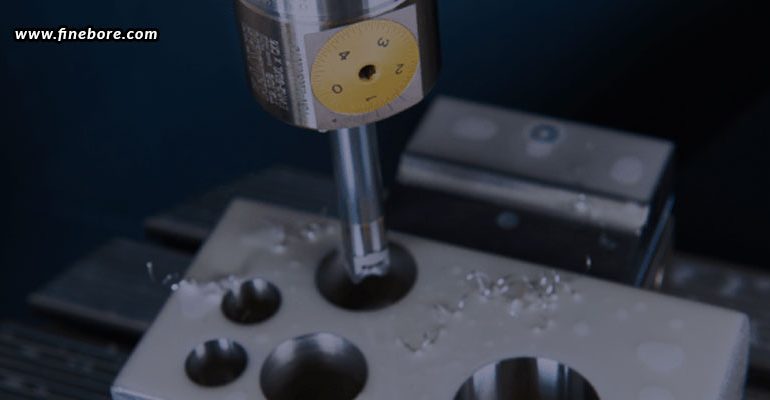
In precision machining, a high-quality surface finish is not just a matter of appearance; it has a direct impact on the performance of components, including factors like friction, wear resistance, and the fit during assembly. A polished surface finish can significantly enhance the functionality of mechanical systems, especially in aerospace, automotive, manufacturing, and precision engineering. Attaining exceptional surface finishes during boring processes requires meticulous optimization of insert geometry, feed rates, cutting depth, machine rigidity, and the overall cutting approach. Even minor tweaks in these parameters can significantly affect the final surface finish. This blog delves into the essential techniques that machinists employ to refine boring bars for outstanding surface finishes, enabling workshops to attain truly mirror-like bore finishes.
Why surface finish matters in boring operations
A high-quality surface finish plays a vital role in various aspects of component performance. The key benefits include:
- Enhanced dimensional accuracy
- Improved sealing surfaces
- Decreased friction between moving components
- Increased fatigue resistance
- Better corrosion resistance
Conversely, a subpar surface finish can result in early wear, fluid leaks, or misalignment during assembly. This makes it crucial to optimize boring operations for smooth internal surfaces to ensure both product quality and long-term reliability.
Surface finish qualities of boring bars
The design and structural characteristics of a boring bar are essential in influencing the final surface finish. Any vibrations, deflections, or instabilities can result in visible marks or irregular patterns on the machined surface.
- Rigidity: A rigid boring bar resists bending and minimizes chatter, ensuring a smooth and consistent cutting action. Materials like carbide or vibration-dampened alloys are frequently utilized in high-performance boring bars due to their superior stiffness compared to standard steel tools.
- Precision insert seating: A well-designed insert pocket guarantees that the cutting insert is securely positioned and accurately aligned with the cutting path. This stability prevents micro-movements during machining that could jeopardize surface quality.
- Vibration damping capability: Advanced boring bars are designed to absorb cutting vibrations that occur during deep internal machining. By minimizing chatter and oscillations, these tools contribute to producing smoother bore surfaces and maintaining consistent finish quality across multiple components.
Factors affecting surface finish
Various machining parameters play a crucial role in determining the surface finish obtained during boring operations. Even with high-quality tools, inadequate cutting conditions can result in rough surfaces, chatter marks, or dimensional discrepancies.
- Feed rate: The feed rate is one of the most significant factors. Increased feed rates enhance material removal but frequently leave noticeable feed marks on the surface. To achieve a smoother surface texture during finishing passes, machinists generally lower the feed rate.
- Cutting speed: The cutting speed also impacts the finish. Suitable cutting speeds enable the insert to shear material effectively, whereas excessively low or high speeds can lead to tearing, built-up edge formation, or tool wear, all of which adversely affect surface quality.
- Depth of cut: Depth of cut is another critical factor. Finishing operations typically require shallow depths of cut to remove minimal material while ensuring stability. Heavy cuts during finishing can produce excessive cutting forces, resulting in tool deflection and surface flaws.
- Machine rigidity and setup precision: The rigidity of the machine and the accuracy of the setup are also essential. Loose fixtures, worn spindle bearings, or improper tool clamping can introduce vibrations that compromise surface finish. Proper machine alignment and stable workholding are vital for achieving mirror-like results.
- Insert geometry: The geometry and condition of the insert significantly affect the finish. Inserts with the right nose radius and sharp cutting edges yield smoother surfaces, while worn or damaged inserts tend to create rough finishes and irregular cutting patterns.
Factors to consider when buying
Choosing the right boring bar is crucial for achieving a consistent surface finish in precision machining tasks. When selecting boring bars, machinists and production engineers must assess several essential characteristics.
- Tool rigidity: The rigidity of the tool should be a key factor. Boring bars constructed from high-stiffness materials minimize deflection and enhance stability during internal cutting, especially when working with deep bores.
- Vibration control features: Features that control vibration are extremely beneficial. Numerous contemporary boring bars utilize damping technology that mitigates cutting vibrations, facilitating smoother cutting and improved surface finish even under difficult machining conditions.
- Precision insert clamping systems: Another significant characteristic is the presence of precision insert clamping systems. Effective insert clamping guarantees that the cutting insert remains securely in place throughout the machining process, minimizing movement and preserving consistent cutting geometry.
- Compatibility with various insert geometries: The ability to accommodate multiple insert geometries is also advantageous, as it enables machinists to modify the tool for roughing, semi-finishing, and finishing tasks using different insert types.
- Durability and manufacturing precision: The importance of durability and manufacturing precision should not be underestimated. High-quality boring bars are produced with strict tolerances and sturdy materials that endure extended machining cycles without sacrificing accuracy or stability.
Selecting high-quality boring bars
While machining methods are essential, the tool quality remain the foundation of outstanding results. High-performance boring bars provide:
- Exceptional rigidity
- Enhanced vibration control
- Accurate insert seating
- Robust materials
For workshops aiming to improve the quality of internal surface finishes, selecting a dependable tooling manufacturer is vital.
FineTech Toolings, a reputed manufacturer of boring bars in Bangalore, offers precision-engineered boring bars that are designed for stability, durability, and high machining accuracy. Their tools ensure consistent finishing performance across a diverse range of boring applications. By focusing on advanced manufacturing techniques and strict quality control, the company delivers tools that meet the demanding requirements of modern machining environments. Their solutions help manufacturers achieve improved productivity, reliable surface finishes, and long-lasting tool performance across various industrial sectors.
Achieving mirror-like surface finishes during boring operations requires more than just top-notch tools; it necessitates precise management of insert geometry, feed rates, cutting depth, machine configuration, and vibration control. By meticulously adjusting these factors and implementing best machining practices, manufacturers can reliably create high-quality bores that satisfy the most stringent tolerance and finish standards. In contemporary machining settings where precision is paramount, mastering the science of surface finish is not merely a technical edge; it is a competitive advantage. As industries demand tighter tolerances and higher performance, machinists who understand and refine their boring processes are better equipped to deliver superior results and maintain long-term production excellence.