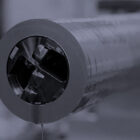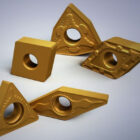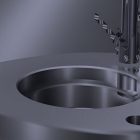

Boring is among the most precise and challenging machining processes, typically employed to enlarge or refine holes with exceptional accuracy. In industries such as aerospace, automotive, medical, and heavy engineering, boring tools must provide tight tolerances, excellent surface finishes, and consistent repeatability. Nevertheless, machinists often encounter difficulties that hinder productivity and precision. Problems like vibration, tool wear, chip removal, or misalignment can disrupt the machining process if not properly managed. This blog delves into the prevalent issues associated with boring tools and offers practical strategies for resolution, combining expert insights with implementable solutions.
Tool deflection
Boring bars are elongated and relatively thin when compared to other cutting tools. This design makes them susceptible to bending or deflection due to cutting forces, particularly during deep-hole boring. Such deflection results in tapered bores, dimensional inaccuracies, and subpar surface finishes.
How to fix the issue
- Use a shorter tool overhang, ideally less than three times the bar diameter, to significantly reduce vibration and deflection issues.
- Select robust tool holders, such as hydraulic or shrink-fit chucks, to enhance rigidity, minimize runout, and ensure stable cutting performance.
- Choose solid carbide boring bars, as they provide superior rigidity, wear resistance, and stability compared to conventional steel alternatives.
- Decrease the depth of cut gradually and employ lighter finishing passes as you approach final dimensions for better accuracy and surface quality.
Excessive vibration and chatter
Vibration is a prevalent problem in boring operations. Chatter marks on the bore surface not only diminish part quality but also hasten tool wear and lower overall productivity.
How to fix the issue
- Choose dampened boring bars equipped with advanced anti-vibration technology to minimize chatter, enhance stability, and improve overall machining accuracy.
- Ensure the right balance between cutting speed, feed rate, and depth of cut to optimize tool life and maintain dimensional accuracy.
- Minimize tool overhang as much as possible while maximizing machine rigidity to reduce deflection, vibration, and maintain consistent machining performance.
- Implement balanced machining strategies, such as using symmetrical cutting forces, to effectively mitigate chatter and achieve smoother, more precise results.
Tool wear
Machining hard alloys like stainless steel, Inconel, or titanium leads to accelerated tool wear. In boring operations, where precision is paramount, even slight edge wear can compromise accuracy and surface quality.
How to fix the issue
- Use coated inserts such as TiAlN, TiCN, or CVD diamond to significantly enhance wear resistance, reduce friction, and extend tool life.
- Regularly inspect tools for micro-cracks, edge chipping, or coating degradation to prevent sudden tool failure and maintain machining precision.
- Lower cutting speeds when working with hard or challenging materials to minimize excessive heat buildup and preserve tool edge integrity.
- Implement CNC tool life monitoring systems that track wear progression, predict replacement timelines, and optimize production efficiency through proactive maintenance.
Inadequate chip evacuation
Chips can easily build up in deep bores, leading to scratches, tool jams, or even breakage. The confined space within the bore complicates chip removal significantly.
How to fix the issue
- Adopt high-pressure coolant systems to effectively clear chips, reduce heat generation, improve tool life, and maintain surface finish quality.
- Use through-tool coolant boring bars to ensure optimal chip evacuation, enhance cooling efficiency, and prevent chip re-cutting during machining operations.
- Consider step boring techniques to gradually reduce chip volume, improve cutting stability, and minimize tool deflection in deep bore applications.
- Implement minimum quantity lubrication (MQL) or mist systems for machining very small bores, reducing friction, improving precision, and conserving resources.
Overheating and thermal damage
Excessive heat at the cutting edge shortens tool life, alters material characteristics, and can lead to workpiece expansion that disrupts tolerances.
How to fix the issue
- Choose suitable cutting speeds that balance machining efficiency with effective heat management, preventing excessive tool wear and thermal distortion.
- Utilize coolant containing specialized additives formulated for hard metals to improve lubrication, enhance cooling, and extend cutting tool life.
- Ensure coolant is precisely directed to the cutting zone, not just flooding the exterior, for maximum cooling and chip control.
- Perform shallow cuts to effectively lower heat generation per operation, improving dimensional accuracy, tool performance, and overall surface finish quality.
Misalignment and concentricity errors
Bores frequently need to align concentrically with pre-existing holes or features. Even slight misalignment during setup can escalate into significant errors throughout the bore’s depth.
How to fix the issue
- Always verify spindle-workpiece alignment prior to machining to prevent dimensional inaccuracies, uneven tool wear, and potential damage to components.
- Utilize precision vices, high-quality chucks, or custom fixtures to ensure maximum rigidity, minimize vibration, and maintain consistent machining accuracy.
- Incorporate digital boring heads that allow micrometre-level adjustments, improving precision, repeatability, and control over tight tolerance boring operations.
- Select boring tools equipped with fine adjustment capabilities to achieve superior accuracy and consistent surface finish during critical finishing passes.
Poor surface finish
Scratches, chatter marks, or inconsistent textures on the bore surface detract from both appearance and functionality. This is a common problem in small-diameter or deep-hole boring.
How to fix the issue
- Minimize vibration by employing rigid tools, stable setups, and proper clamping techniques to ensure smoother boring operations and improved accuracy.
- Adjust the feed rate carefully – too light causes rubbing and work hardening, while too heavy risks tearing and poor surface finish.
- Utilize sharp, well-maintained cutting edges for cleaner cuts, reduced cutting forces, extended tool life, and improved dimensional consistency.
- Direct coolant application precisely to the cutting zone, reducing friction, controlling heat, and aiding chip evacuation for better machining performance.
Depth control issues
Achieving accuracy in deep bores is notoriously challenging. Issues include taper, loss of dimensional control, and bore deviation.
How to fix the issue
- Implement step boring techniques for gradual enlargement, reducing tool load, improving stability, and ensuring smoother material removal in deeper bores.
- Maintain shallow and controlled cutting passes to lower heat buildup, reduce deflection, and enhance accuracy when boring delicate or hard materials.
- Use specialized deep-hole boring tools designed for high rigidity, stability, and efficient chip evacuation to achieve precise, consistent results.
- Carefully monitor alignment throughout the entire bore depth to prevent taper, misalignment, and dimensional inaccuracies in long or critical bores.
Incorrect cutting parameters
Choosing the wrong cutting speed, feed rate, or depth of cut can lead to vibration, overheating, subpar surface finish, or damage to the tool.
How to fix the issue
- Choose slower cutting speeds when machining hard metals to minimize heat generation, reduce tool wear, and maintain dimensional stability.
- Keep a consistent feed throughout the operation to prevent chatter, rubbing, and uneven tool engagement that compromise surface finish.
- Employ shallow and uniform cutting depths to maintain stability, reduce vibration, and achieve precise control over the machining process.
- Adjust all parameters collectively – cutting speed, feed, and depth – to achieve an optimal balance between machining accuracy, efficiency, and tool life.
Workholding and fixture instability
Even slight movement of the workpiece during boring can result in inaccuracies, chatter, or dimensional discrepancies.
How to fix the issue
- Utilize precision-engineered fixtures to enhance rigidity, minimize vibration, and ensure consistent accuracy during demanding boring and machining operations.
- Verify alignment thoroughly before commencing machining to avoid dimensional errors, reduce tool wear, and ensure precise bore geometry throughout the process.
- Apply uniform clamping pressure across the workpiece to prevent vibration, distortion, or shifting, maintaining stability and machining reliability.
- For intricate or irregular parts, consider investing in custom fixtures that guarantee stability, repeatability, and improved machining performance under challenging conditions.
Material-specific challenges
Various materials pose distinct boring challenges—titanium produces heat, stainless steel hardens during work, and cast iron generates abrasive dust.
How to fix the issue
- Align the tool material and coating with the specific workpiece material to maximize cutting efficiency, wear resistance, and tool life.
- Modify cutting parameters, including speed, feed, and depth, based on the material type to achieve optimal performance and surface finish.
- Employ coolant formulated with specialized additives for hard or abrasive alloys to improve lubrication, reduce heat, and enhance chip evacuation.
- For specialized or challenging materials, consider using custom boring tools from trusted boring tools suppliers in Bangalore, like Finetech Toolings, to ensure reliability, rigidity, and precise machining results.
Boring tasks require a high degree of precision, yet issues such as tool wear, vibration, misalignment, or chip removal can quickly compromise accuracy. By recognizing the typical challenges associated with boring tools and their solutions, machinists can greatly enhance results. Utilizing sturdy boring bars and optimized coolant systems, along with implementing CNC monitoring and predictive maintenance, each measure plays a role in improving performance. In sectors where even minute errors are intolerable, tackling these challenges is essential not only for enhancing machining efficiency but also for protecting product reliability and sustaining a competitive advantage.